
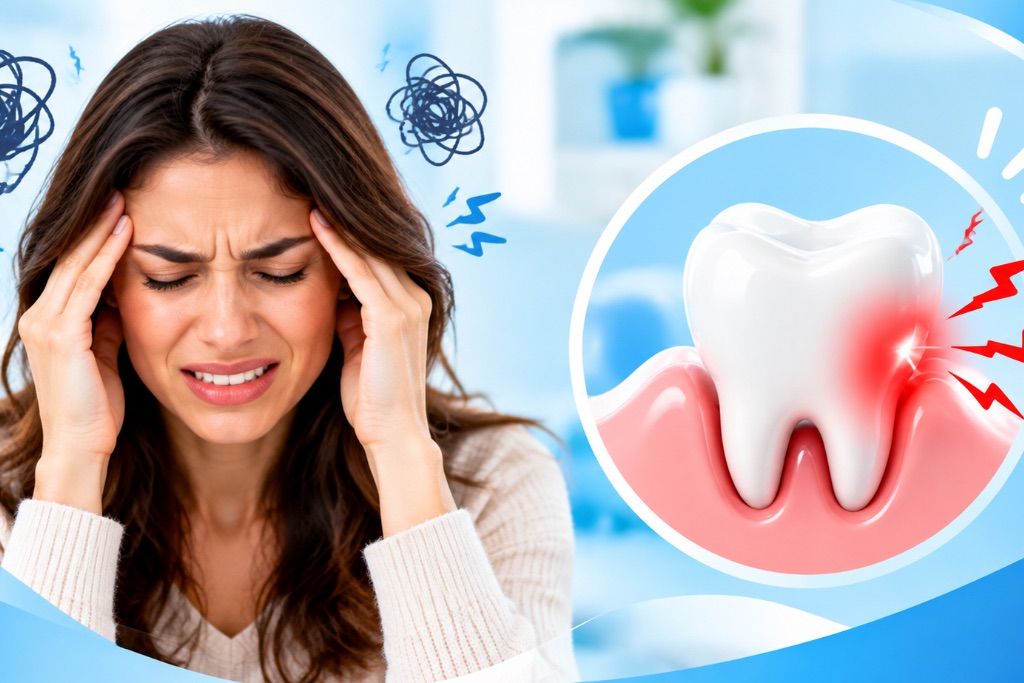
Can Stress Damage Your Teeth? What Every Courtice Resident Should Know
Stress is a common part of modern life, whether it comes from work responsibilities, family commitments, financial concerns, or daily challenges. While many people understand that stress can affect sleep, mood, and overall health, they may not realize that stress can also have a direct impact on their teeth and gums. Over time, ongoing stress can contribute to problems that affect your comfort, oral health, and the appearance of your smile.
Many dental concerns linked to stress develop slowly and may not be obvious at first. Teeth grinding, jaw tension, dry mouth, and changes in daily habits can gradually create damage if they are not addressed. Recognizing these warning signs early can help protect your teeth and prevent more serious dental issues.
For residents in Courtice, understanding the connection between stress and oral health is an important step toward maintaining a healthy smile. With the right habits, professional dental care, and stress management techniques, you can reduce the effects of stress on your teeth and keep your mouth healthy.
How Stress Affects Your Oral Health
Stress And Teeth Grinding
One of the most common ways stress affects teeth is through teeth grinding, also known as bruxism. Many people grind or clench their teeth without realizing it, especially during sleep. This repeated pressure can place extra force on the teeth and jaw muscles.
Over time, teeth grinding can wear down the outer surface of the teeth, making them appear shorter or more sensitive. Some people may notice increased tooth sensitivity, jaw soreness, headaches, or discomfort when chewing.
Because teeth grinding often happens unconsciously, it can continue for months or years before a person recognizes the problem. Regular dental checkups can help identify signs of grinding and allow your dentist to recommend suitable solutions.
Stress Related Jaw Pain And Tension
Stress does not only affect the teeth. It can also create tension in the muscles around the jaw. When people feel stressed, they may unknowingly tighten their jaw or hold tension in their facial muscles throughout the day.
This constant pressure can lead to jaw discomfort, difficulty opening the mouth comfortably, clicking sounds, or pain near the jaw joints. Some people may also experience pain that spreads toward the ears, temples, or neck.
Addressing jaw tension early can help prevent ongoing discomfort. Relaxation techniques, awareness of clenching habits, and professional dental guidance can support better jaw health.
Ways Stress Can Damage Your Teeth
Increased Risk Of Tooth Wear And Cracks
Your teeth are designed to handle normal chewing pressure, but constant stress from grinding or clenching can put unnecessary strain on them. Over time, this pressure may cause small cracks, worn enamel, or changes in the way your teeth fit together.
Tooth enamel does not grow back once it is damaged, which makes prevention especially important. Protecting your teeth from excessive pressure can help maintain their strength and appearance.
If you notice flattened tooth surfaces, chipped teeth, or unexplained sensitivity, it is important to discuss these concerns with your dentist. Early care can help prevent further damage.
Dry Mouth And Increased Cavity Risk
Stress can affect saliva production, and some people experience dry mouth during stressful periods. Saliva plays an important role in protecting teeth by washing away food particles and helping control harmful bacteria.
When the mouth becomes dry, the risk of cavities and gum irritation may increase. Some medications used during stressful periods can also contribute to dry mouth symptoms.
Drinking enough water, maintaining good oral hygiene, and visiting your dentist regularly can help reduce the impact of dry mouth on your teeth.
Changes In Daily Oral Care Habits
When people are dealing with high levels of stress, taking care of their teeth may become less of a priority. Some individuals may brush less often, skip dental appointments, or make choices that negatively affect their oral health.
Stress can also influence eating habits. Frequent snacking, increased sugar intake, or choosing less nutritious foods during stressful times may increase the chance of tooth decay.
Maintaining simple oral care routines during stressful periods can make a significant difference. Small daily habits help protect your smile even when life feels busy.
Signs Stress May Be Affecting Your Teeth
Tooth Sensitivity And Discomfort
Sudden sensitivity to hot, cold, or sweet foods may be a sign that your teeth are experiencing stress-related wear or enamel changes. While sensitivity can have many causes, ongoing stress and teeth grinding can contribute to this problem.
If sensitivity continues or becomes uncomfortable, a dental examination can help determine the cause. Treating the issue early can prevent additional damage.
Morning Jaw Soreness
Waking up with a sore jaw, tired facial muscles, or headaches may indicate nighttime teeth grinding. Many people are unaware they grind their teeth while sleeping because it happens outside their conscious control.
Your dentist can examine your teeth for signs of grinding and discuss ways to protect your smile. In some cases, a custom mouth guard may help reduce pressure on the teeth during sleep.
Gum Problems And Inflammation
Long-term stress can affect the body’s ability to manage inflammation, which may contribute to gum concerns. Some people may notice bleeding gums, tenderness, or changes in their gum health.
Healthy gums are the foundation of a strong smile. Regular brushing, flossing, and professional dental cleanings are essential for keeping gum tissue healthy.
How To Protect Your Teeth From Stress Related Damage
Maintain A Consistent Oral Care Routine
A simple and consistent oral hygiene routine is one of the best ways to protect your teeth during stressful periods. Brushing twice a day, flossing regularly, and keeping up with dental visits can help prevent many common problems.
Even when your schedule feels overwhelming, taking a few minutes each day for your oral health can make a lasting difference. These habits support strong teeth and healthy gums.
Be Aware Of Clenching Habits
Many people clench their teeth during stressful moments without noticing. Paying attention to when your jaw feels tight can help you become more aware of this habit.
Try keeping your jaw relaxed by allowing your teeth to stay slightly apart when you are not eating. Gentle stretching and relaxation exercises may also help reduce muscle tension.
Manage Stress In Healthy Ways
Reducing stress can benefit both your overall health and your oral health. Activities such as regular exercise, proper sleep, breathing exercises, and taking breaks during busy days may help lower stress levels.
Finding healthy ways to manage stress can reduce habits that damage your teeth, such as grinding, clenching, and neglecting your oral care routine.
When Should You Visit A Dentist?
If you believe stress is affecting your teeth, it is important not to ignore the signs. Tooth sensitivity, jaw pain, worn teeth, frequent headaches, or changes in your bite may indicate that your smile needs professional attention.
A dentist can examine your teeth, identify signs of stress-related damage, and recommend treatments based on your needs. Early care can help protect your teeth and prevent small concerns from becoming larger problems.
Regular dental appointments are especially valuable because some stress-related dental issues develop gradually without noticeable symptoms.
Final Thoughts On Stress And Your Dental Health
Stress can affect many parts of your body, including your teeth, gums, and jaw. While daily stress is sometimes unavoidable, understanding how it impacts your oral health allows you to take preventive steps. Paying attention to warning signs, maintaining good dental habits, and seeking professional care when needed can help protect your smile.
If you are experiencing tooth sensitivity, jaw discomfort, teeth grinding, or other stress-related dental concerns, contact Courtice Family Dentistry for personalized dental care and expert guidance. Schedule your appointment today to protect your oral health and keep your smile healthy for years to come.
Have a question about your smile? We're happy to help.